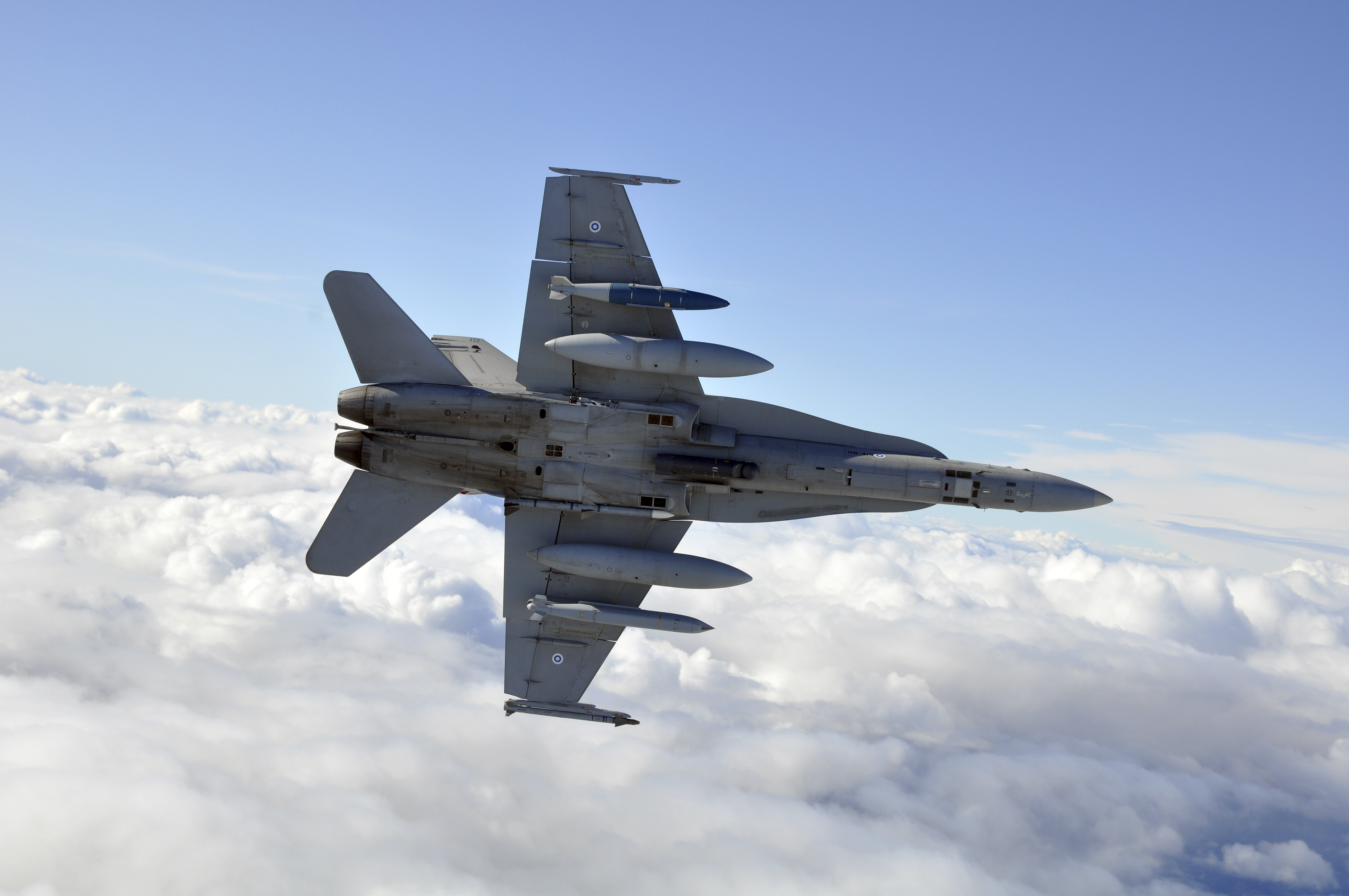
Territorial integrity is an integral part of state sovereignty. Finland monitors and protects the integrity of its territory as part of NATO. The objective of territorial surveillance is to prevent, expose and investigate territorial offences and violations of territorial integrity and contribute to strengthening the deterrence and defence of the Alliance. Territorial surveillance on land is called ‘ground surveillance’, at sea ‘maritime surveillance’ and in the air ‘air surveillance’.
The territorial integrity of Finland and of the Alliance is monitored 24/7. Shared situational awareness and operational cooperation are key capabilities of the surveillance and protection of NATO’s territorial integrity. If necessary, territorial integrity will be protected by using means of force.
In Finland, the authorities responsible for territorial surveillance are the Finnish Defence Forces, the Finnish Border Guard, the Police, and Customs and their officials assigned to territorial surveillance duties as well as the Finnish Transport and Communications Agency within its area of responsibility. The Ministry of Defence is the highest permit authority in matters of territorial surveillance. It directs and coordinates the work of territorial surveillance authorities and guides the activities of the Finnish Defence Forces. The Ministry authorises the use of military means of force be used to protect Finland’s territorial integrity.
The Finnish Border Guard is responsible for investigating suspected territorial violations.
Provisions on Finland’s territorial surveillance are laid down in the Territorial Surveillance Act (in Finnish).